How PAPATON Studio Manages 50+ Creative Projects a Year Using a Unified Ecosystem
In the world of animation and advertising, where every project demands a unique visual language, success belongs to those who effectively manage two things: creativity and resources. We spoke with Nikita Tikhonov, CEO and co-owner of the animation studio PAPATON, to learn how they have successfully worked with dozens of freelancers for years and what role the Cerebro system played in this process.
About PAPATON Studio
The story of PAPATON is a classic startup tale of two partners, Anton Ten and Nikita Tikhonov.
“The idea to build a studio from remote employees came to us after reading the book Remote. This was way before the trend hit during the COVID period,” says Anton. “We were inspired by the phrase: ‘If you look for people not just within commuting distance, but all over the world, you find those who are truly the right fit, not just those who happen to live nearby.'”
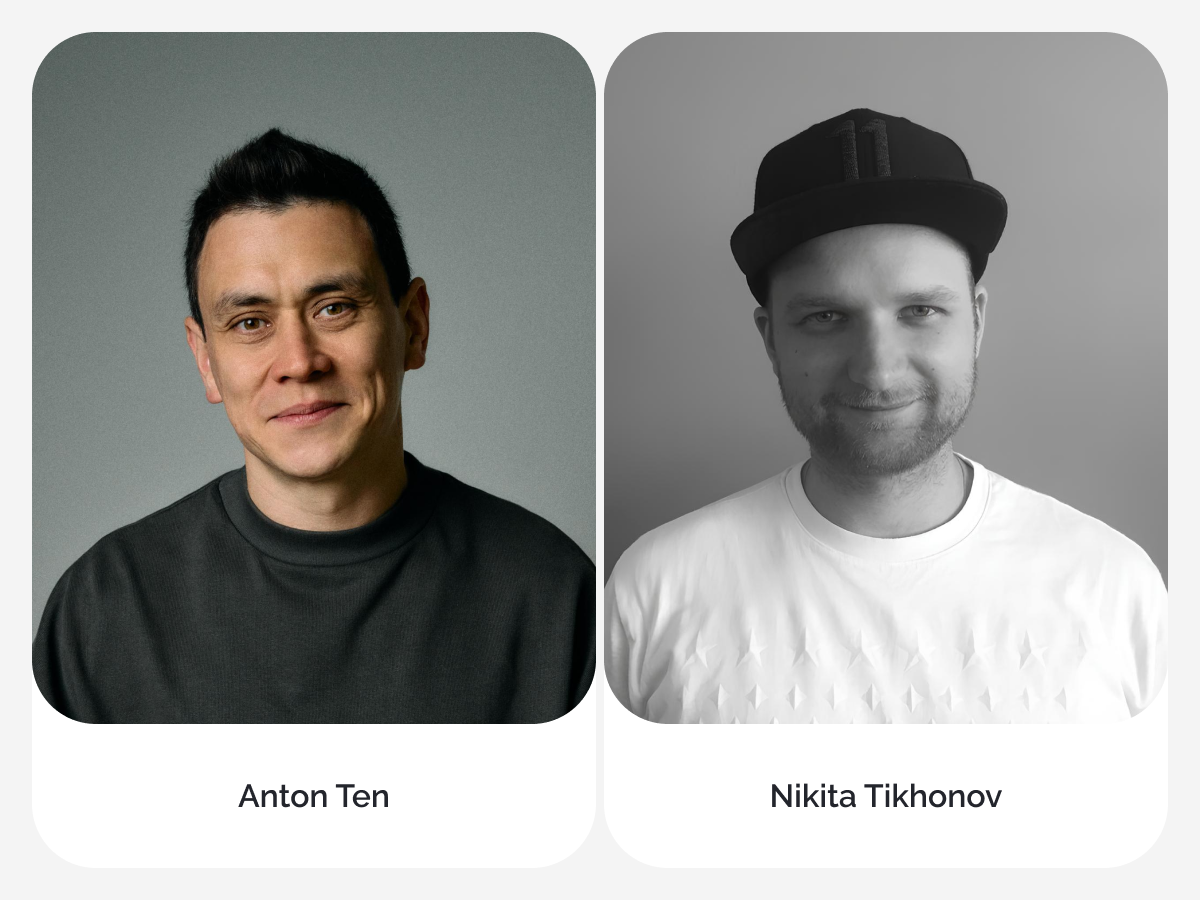
Today, the studio’s core consists of 10 employees. Behind this small staff lies a complex and well-thought-out structure: a division of teams into “brains” and “hands.”
“The people who make decisions on projects—we work with them constantly. These are producers, directors, and art directors. They are with us from project to project; we work on a permanent basis. Everyone else is a specialist brought in for a specific task or project.”
Nikita emphasizes that this is not just about saving money, but a creative necessity. The studio consciously avoids having one person create different styles, preferring to bring in many people to find the right stylistic solutions.
“If you look at our website, all the project styles are different. This applies to 3D, 2D—anything. The same person cannot do all styles. Even if you try to squeeze styles out of them that they don’t like, they will still turn it into something with their own flair or touch, and it won’t be quite right.”
A special place is occupied by character animation, as well as work on longer formats, such as series development, and collaboration on projects with companies like Soyuzmultfilm, Avito, and MR Group. Recently, the team has been actively developing its CG and VFX direction, taking on “turnkey” projects.
Working with such a volume of projects and creative people involves not only finding clients and solutions but also constant casting.
“Besides their skills, it is important to consider how they communicate, whether we are comfortable working with them and they with us. This selection of people is ongoing. It is routine, daily work.”
To systematize this flow of talent, the studio developed its own tool several years ago — Baselance.
“We have special software internally… It is now even sold separately. It’s called Baselance. It is essentially visual data storage for freelancers.”
The idea is simple: it is an internal, closed database of freelancers, where each profile is equipped with tags, comments, and internal ratings from studio employees.
“There are already 2,000 people there. We constantly add new names and, if necessary, turn to this database to find a performer for a task. Visual storage allows you to do this almost instantly. On average, the active ‘cloud’ of freelancers we are working with right now consists of 20–40 people simultaneously, depending on the season and workload.”
Currently, about 15–20 studios use this tool, including some American ones, and at one point, Sony Animation showed interest in it.
Clients and Markets
Over 9 years in the market, the studio has managed to establish itself, and the main channel for client inflow is word of mouth.
“All production houses and major clients know about us one way or another. People constantly write to me on Telegram. I don’t even know who some people are referring to, but nevertheless, someone recommends us through someone else.”
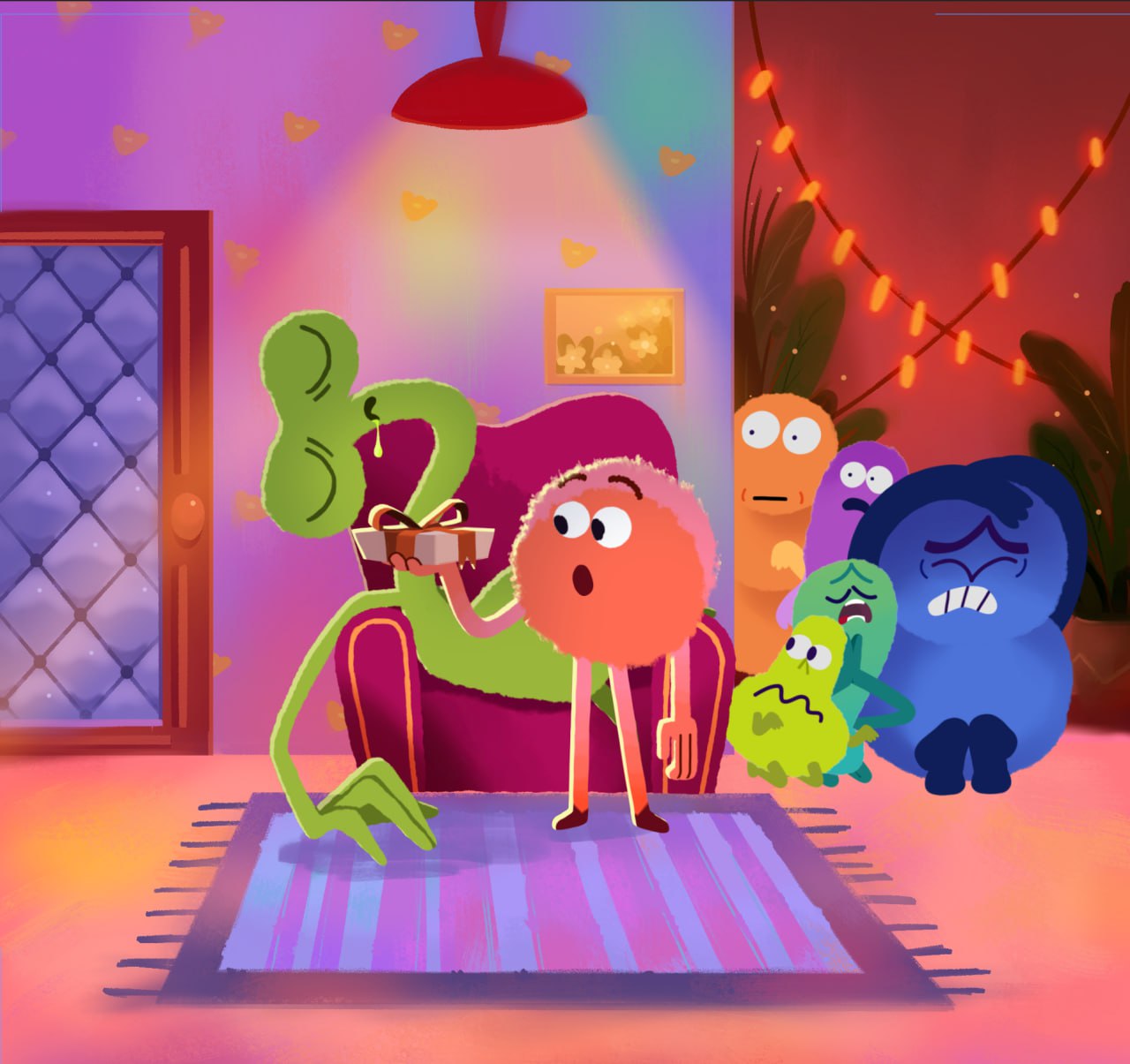
Additional channels include tenders, cold outreach, and SMM—when a client sees finished work on social media and wants something similar:
“People see exactly what we do. And when the image matches what they need, they come with the formulation: ‘We like this, we want, roughly speaking, the same thing you did there.'”
A separate direction is the US market, where the studio is also present under the leadership of Anton Ten:
“The mechanisms for working with clients are the same there, but everything is much more complicated because there is high competition, and communication is long and slightly drawn out.”
Project Management Software: From Slack and ClickUp to Cerebro
The path to finding the right management tool was long. The first tool was Basecamp, then Slack:
“For some time we used Slack; it was our main software… But Slack was not enough because it has functional limitations. After all, it is not a task tracker and is not suitable for file storage. It is, in essence, just a messenger.”
With the growth in the number and complexity of projects, the team began looking for a replacement for Slack. The main problem was organizing work with freelancers:
“It was difficult to find software where we didn’t have to buy a seat for every freelancer, even if they worked with us periodically or used the program for less than a month.”
ClickUp became a temporary savior:
“At the moment we found it, it wasn’t popular here at all… The space was conveniently organized from the point of view of freelancers.”
The transition was not easy, but eventually, the team got used to it and worked in that system until external circumstances forced them to look for a new option.
Freelance Packages, Telegram Bot, and Other Integrations
The choice fell on Cerebro. The key argument was freelance packages, which fit perfectly into the PAPATON business model:
“All our freelancers work in Cerebro. We work with them strictly inside the system. We have a part of the members who are constantly present, plus we actively use freelance packages.”
This implementation also met with some resistance. Creative performers, especially from the world of advertising, did not want to master a new interface:
“It’s hard to herd them in there, difficult. They are used to Telegram… We faced the fact that, roughly speaking, by the time a person gets used to it, the project is already over. There was little sense in it. A lot of effort, but the output was not needed.”
The solution was integrating the software with Telegram. Together with our support service, the studio team set up a unique pipeline:
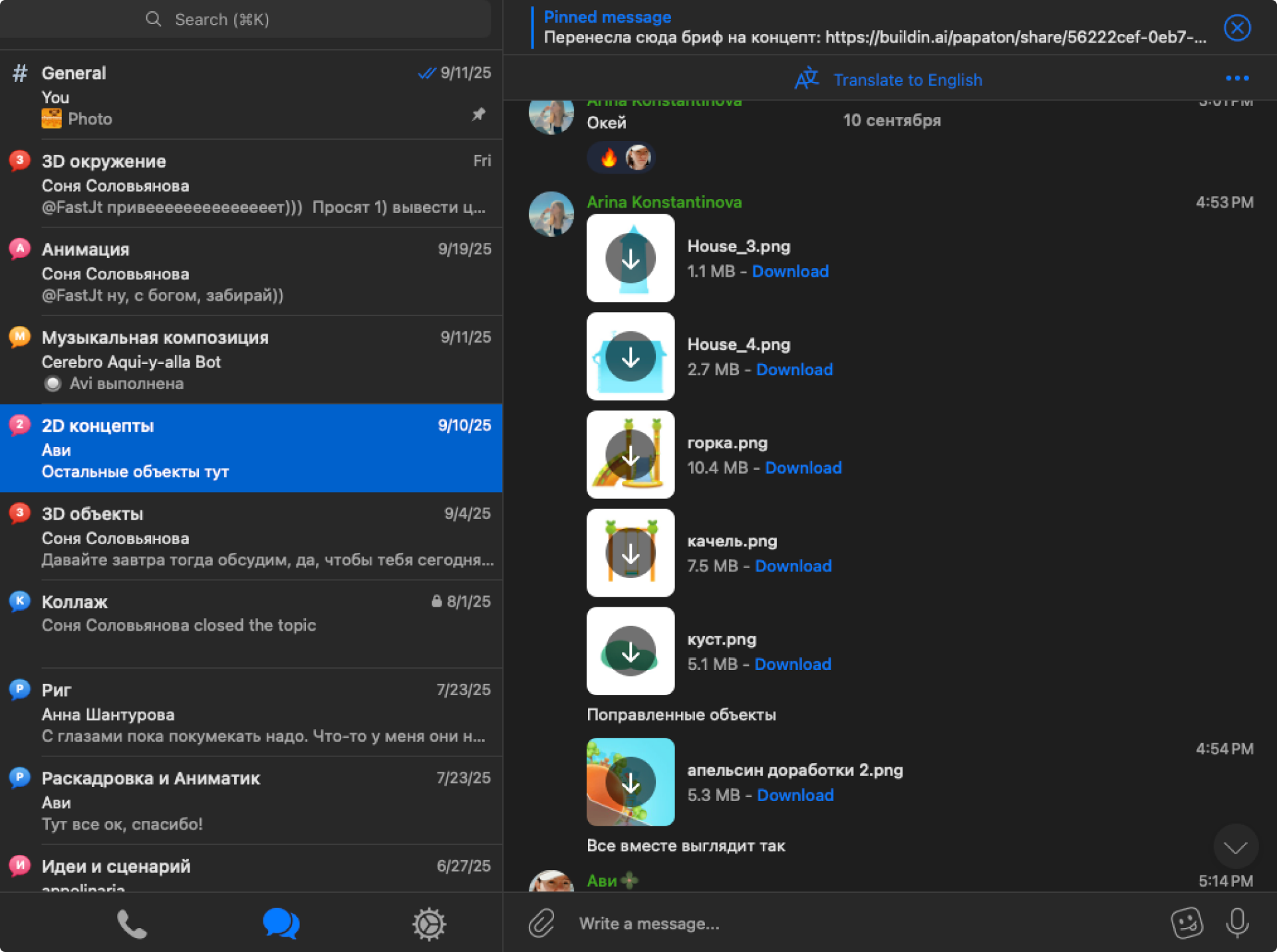
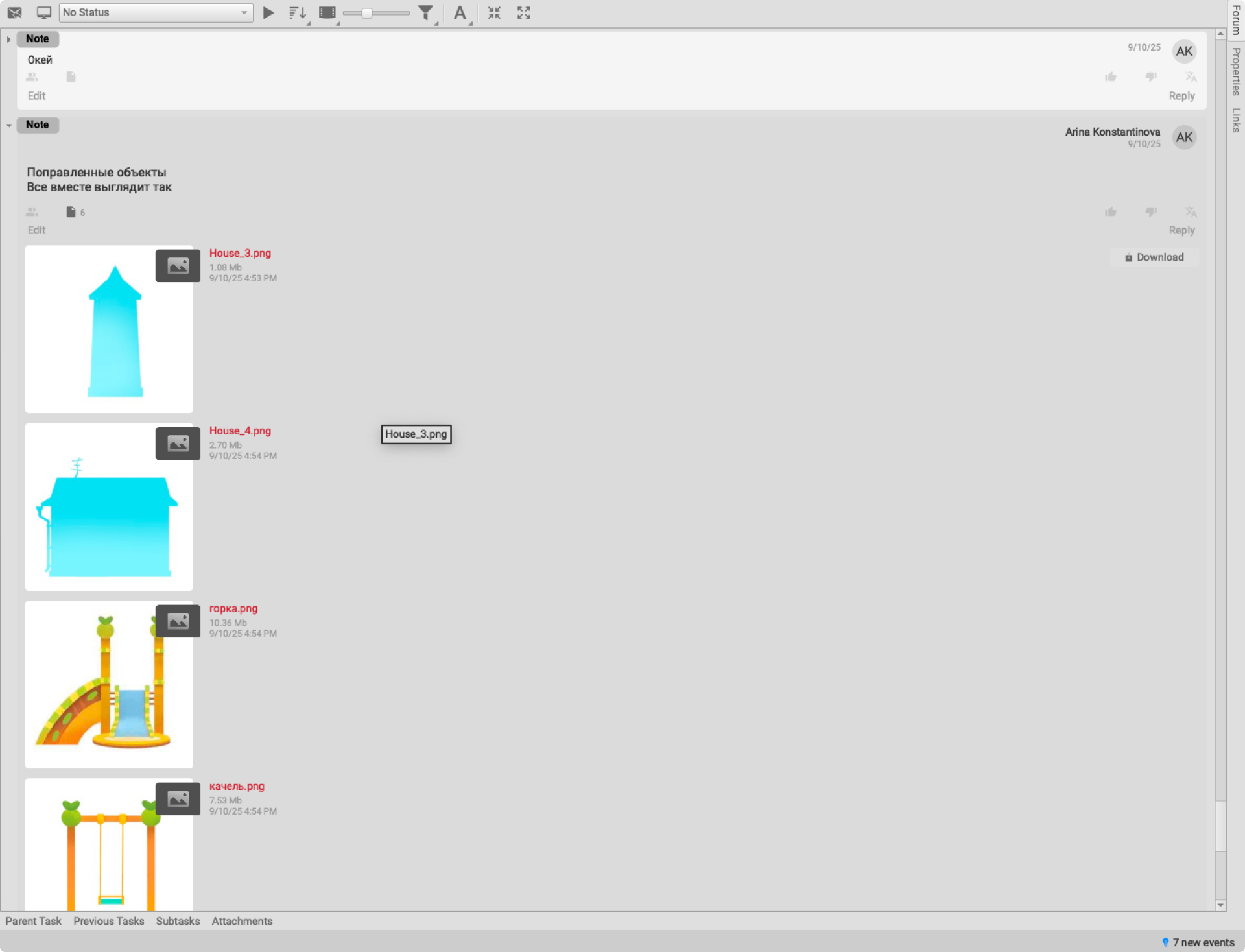
- A project is created in Cerebro and duplicated as a chat in Telegram via a special bot.
- All communication and file exchange take place in the way freelancers are used to—in Telegram. Complex matters are discussed in Miro.
- The chatbot automatically transfers all files and comments from Telegram to the corresponding tasks in Cerebro.
The next step was integration with Yandex.Disk:
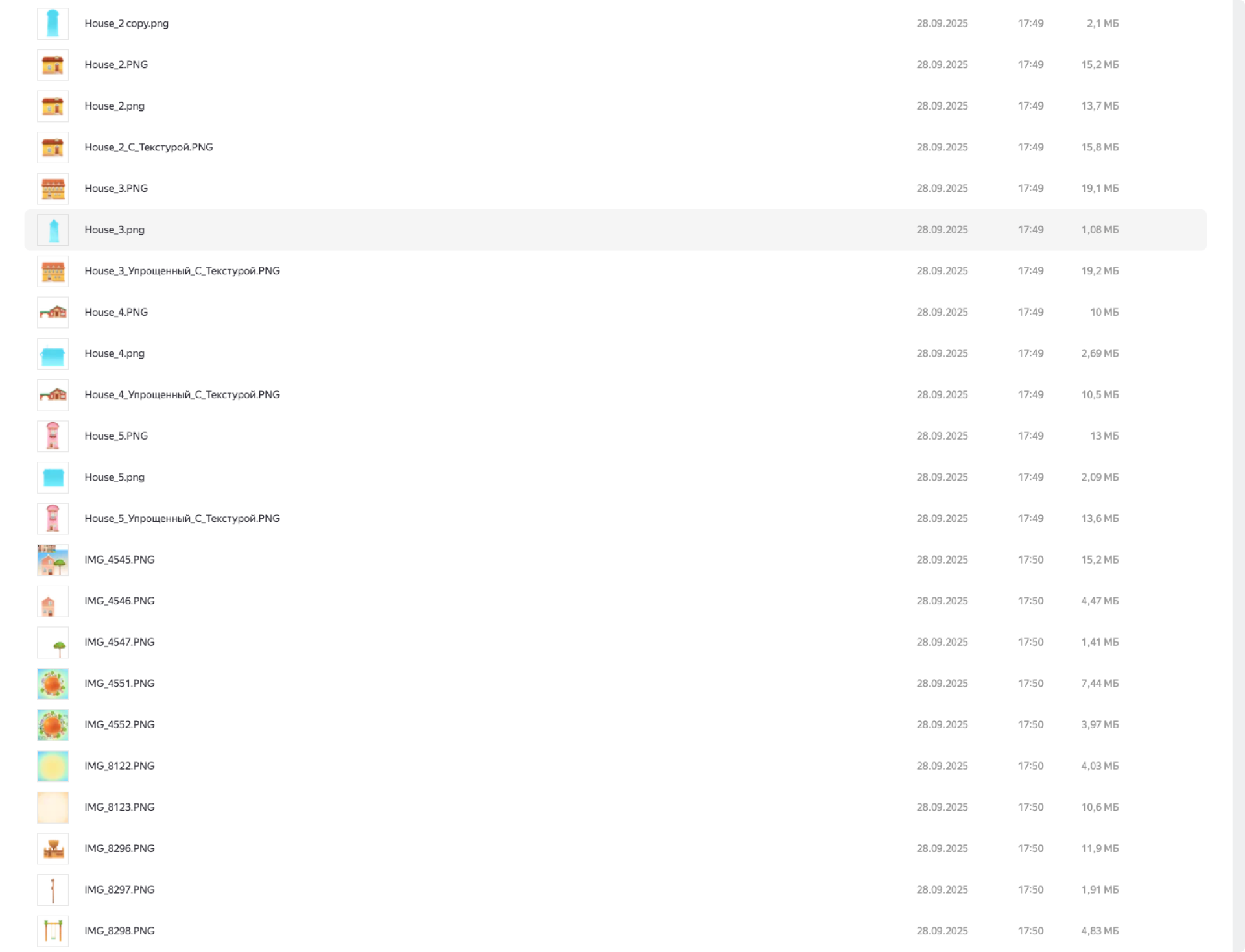
“We set up a small script so that all files from Cerebro are duplicated to our Yandex.Disk in folders. When we create a project by tasks in Cerebro, it automatically creates a folder on our Yandex, organizes it into subfolders (like tasks), and adds all files to each task every hour.”
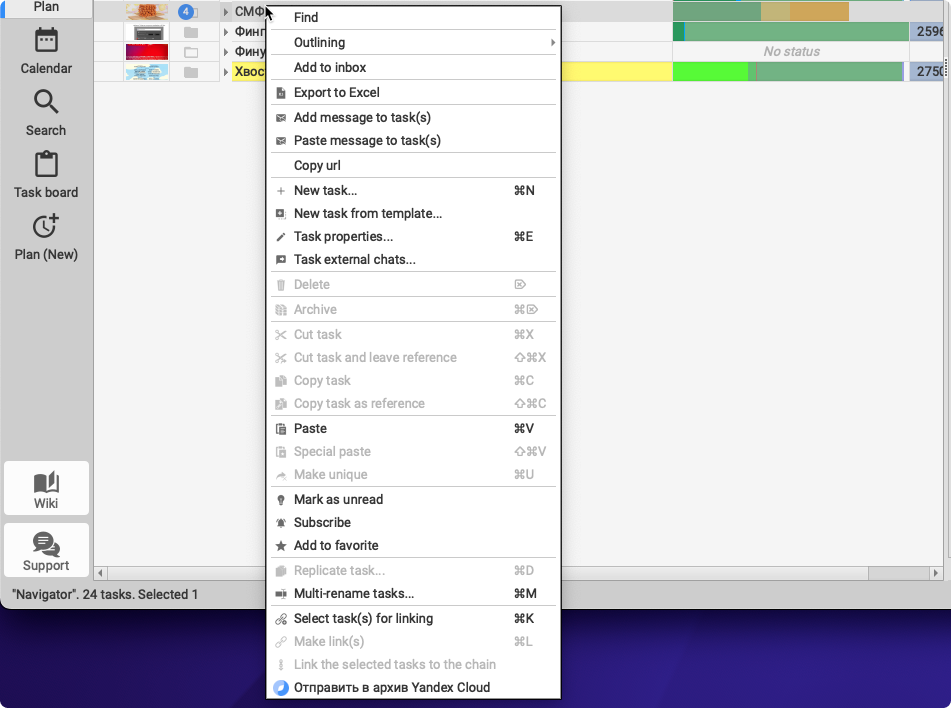
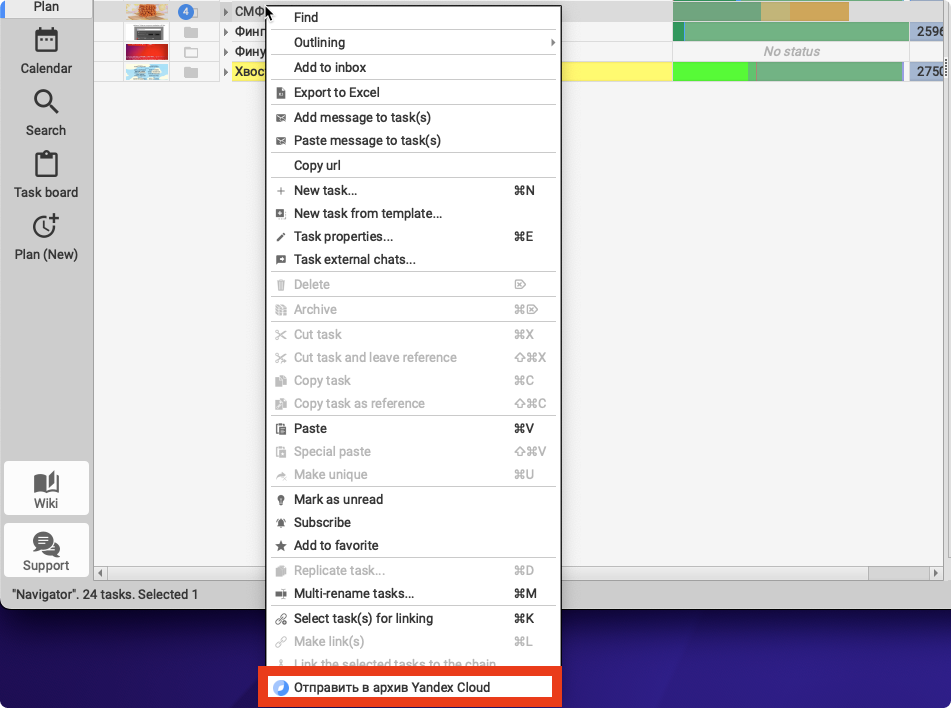
The final touch was the automation of archiving. Previously, Nikita manually transferred completed projects to “cold storage” in Yandex.Cloud so they wouldn’t take up space on the Disk. With system improvements, this process now happens smoothly:
“I asked your support to help us with this. We archive the project in Cerebro, and another special script deletes this project from our folder in Yandex and moves it to the cold Cloud storage. Everything is automated.”
Briefly About Cerebro
What PAPATON Studio values most in working with Cerebro:
- Automation. Integrations and various modifications have automated aspects of working with freelancers and content storage.
- Support. “I want to say a special thank you for the support. It is, well, generally the best I have encountered among support services, in principle.” (We are pleased to hear this!)
- Multifunctionality. The studio wanted to reduce the number of software programs used to a minimum: “Cerebro has Mirada, freelance packages, all the stories we need.”
- Payment. Comfortable payment methods, pleasant price.
What, in PAPATON’s opinion, still needs work in our software:
- Interface. “Sometimes it’s hard to look at. You can get used to it and keep working. It’s a bit harder for visual people.”
- Knowledge Bases and Timelines. The team has not yet been able to fully switch to the internal Cerebro wiki, nor use the built-in Gantt charts for planning. These functions remained in Notion.
Despite the shortcomings, there are no thoughts of moving again.
“We haven’t attempted to leave. On the contrary… There are no urges to move anywhere because we have set everything up, tweaked it, finished it, wrote scripts. We don’t want to dive into that story again. Rather, we can just improve something else.”
A Unified Ecosystem
The PAPATON case is not just a story about implementing a task tracker. The studio managed to build a system in Cerebro that tied together communication, task management, file storage, and archiving. Flexibility and the possibility of deep customization allowed the studio to create a mechanism that works perfectly for them.